BEES
The Life and Love of Bees
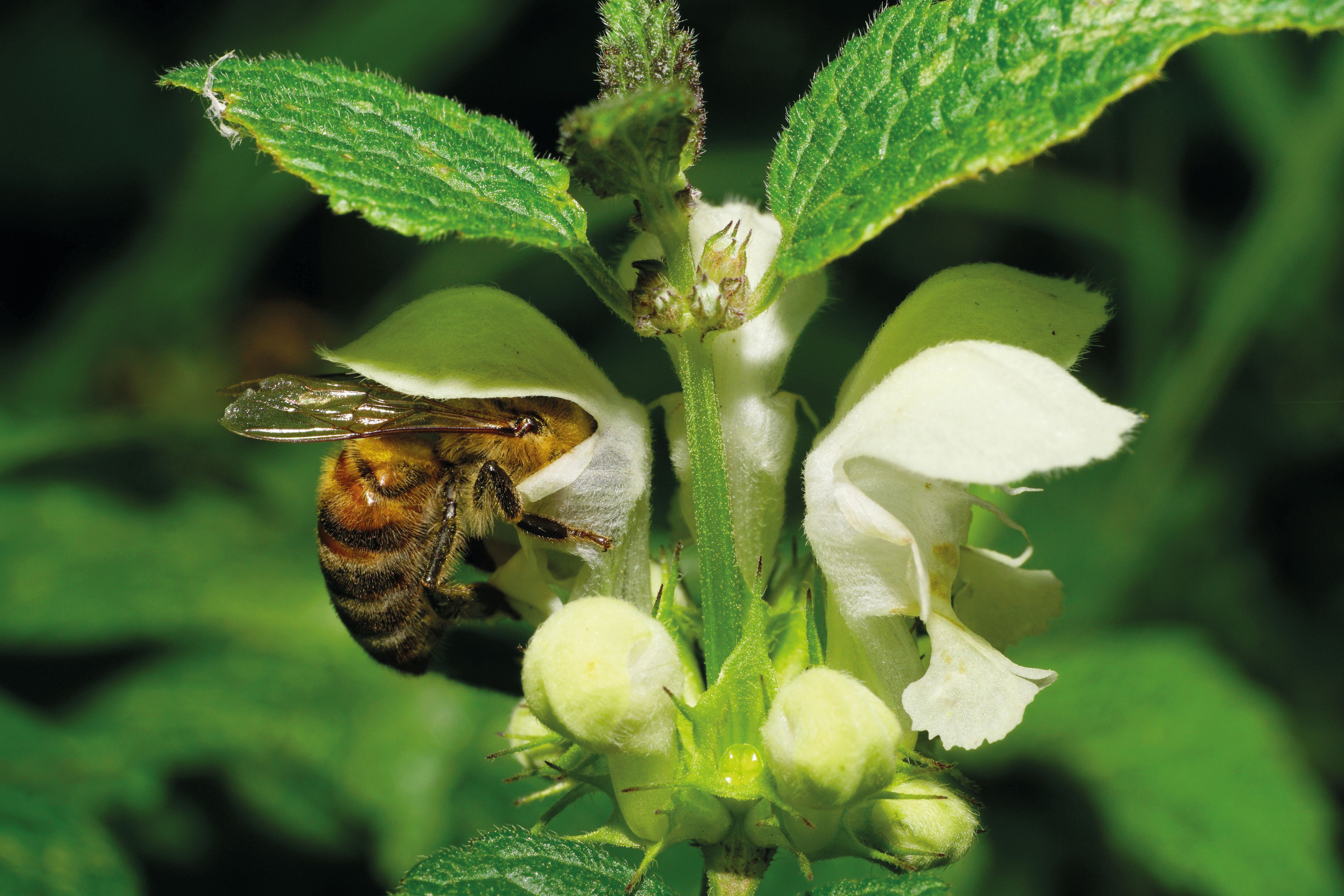


Bees have survived on our planet Earth for more than 100 million years. The very first bees appeared during the age of the dinosaurs, when the first flowering plants emerged. Today there are well over 20,000 bee species worldwide and more than 275 species recorded in the UK.
Unfortunately, many of our wild bees along with other pollinating insects are in rapid decline. Habitat destruction, climate change, attack by those Asian flying pests (don’t go there), along with pesticides, have all taken their toll on pollinators.
But in some areas, in and around London, bees are bucking the trend. Honeybees in particular have been given a new lease of life. The number of hives is increasing significantly as beekeeping grows in popularity.
Our own Hurlingham honeybees love our microclimate, extended flowering season, nil pesticide usage and a wide variety of flowers and shrubs for them to forage on.

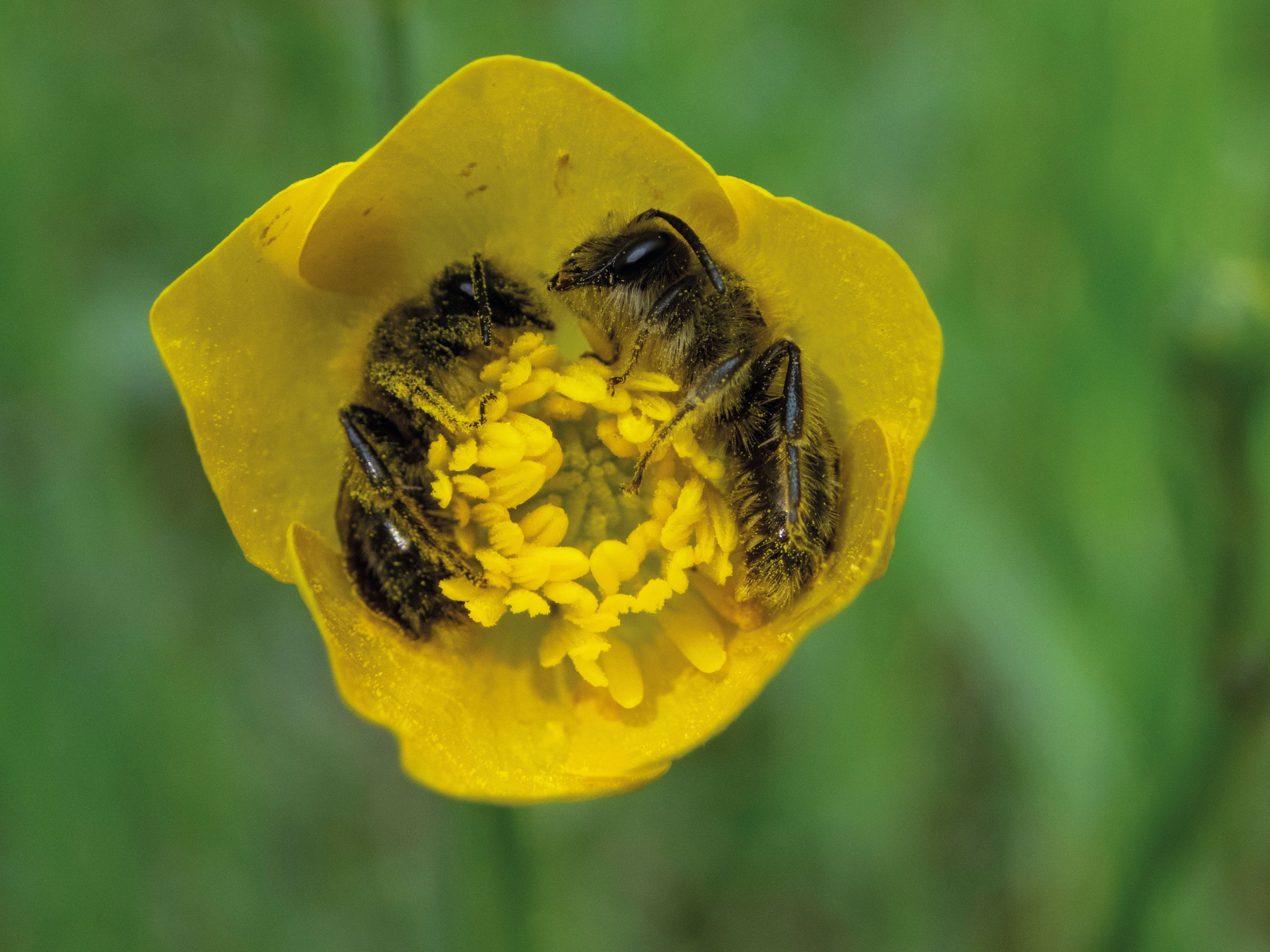
Who has heard of White Deadnettle? It’s a valuable source of pollen, flowering throughout most of the year. Other tasty plants for them to gorge on in the summer months are: Verbena, Geraniums, Foxgloves, Borage and Lavender, to name but a few.

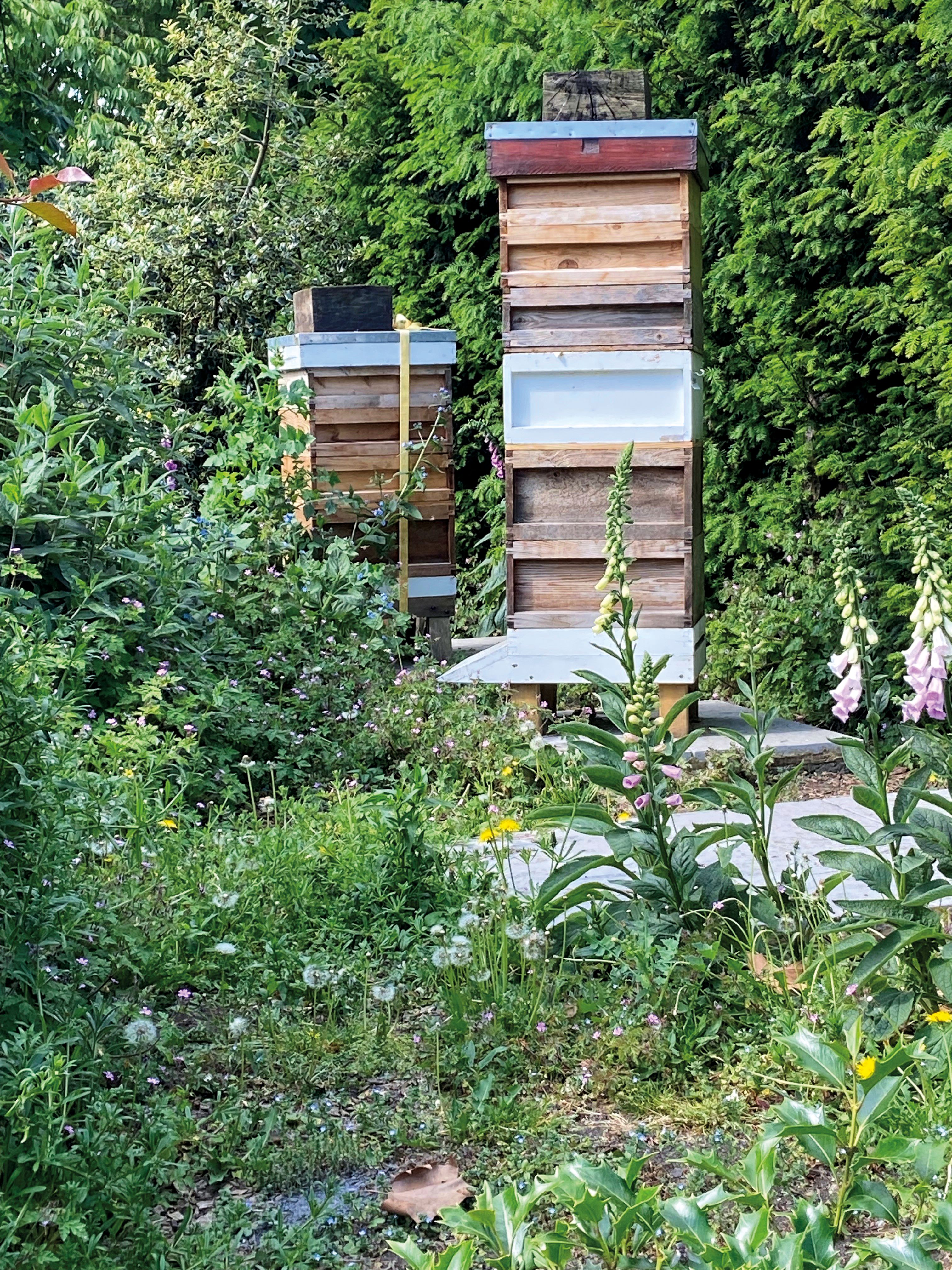
Our hungry Hurlingham honeybees are lucky to find all this nectar and pollen on their doorstep, while still leaving enough to share with other pollinating insects.
All this foraging is very tiring and yes, honeybees need to sleep, typically for 5 to 8 hours a day. Forager bees – the oldest and most active in the colony – tend to sleep mostly at night in their hive, while the youngsters take short naps throughout the day and night. Studying their sleeping habits, researchers have noticed that, when bees sleep, their antennae stop moving; their legs start to flex; sometimes they fall over on their side and hold each other’s legs…some solitary bees have even been observed sleeping in flowers.
We’re all told, aren’t we, that a good night’s sleep is important. And so it is for bees, especially the older ones, as it helps with memory and other cognitive functions. In studies where bees were seen to stay awake for longer than normal periods, they were found to be poor dancers – an important skill for communication and foraging success.
In their tiny, tireless world, sleep isn’t just rest – it’s a rehearsal for the dance of survival.
JEAN BIRD
In this issue

Club News
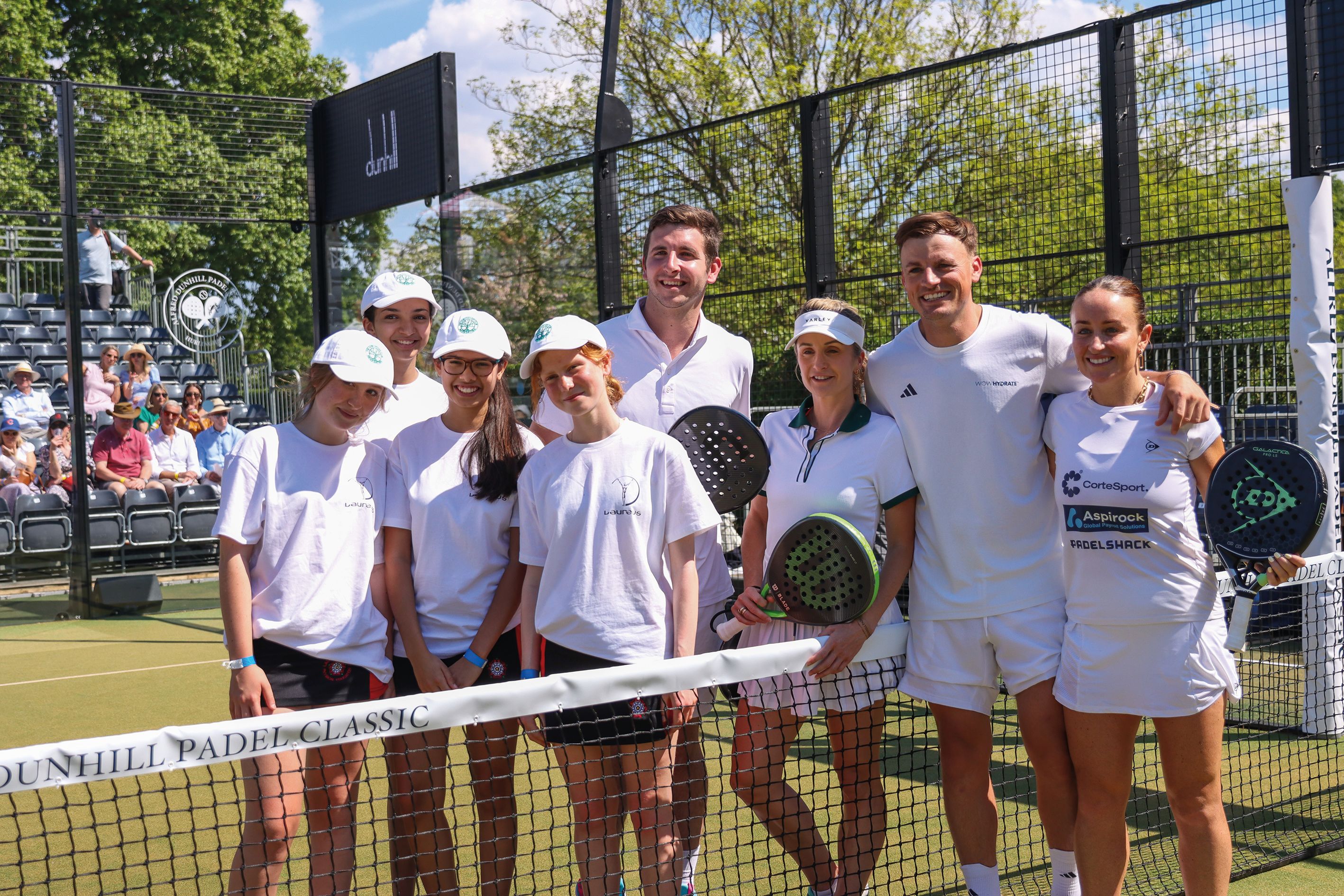
How the floating padel court was a triumph of our ‘how we can’ approach and welcome to our new Director of IT
Club Chair Simon Duffy covers the progress on the East Wing and member consultations
A sneak peak into Brasserie 1869 and finance conversations
Chairs wanted for Estates and Nominations Committees
Just some of the many tributes for our late Editor, Hana Tiller
Four years of support
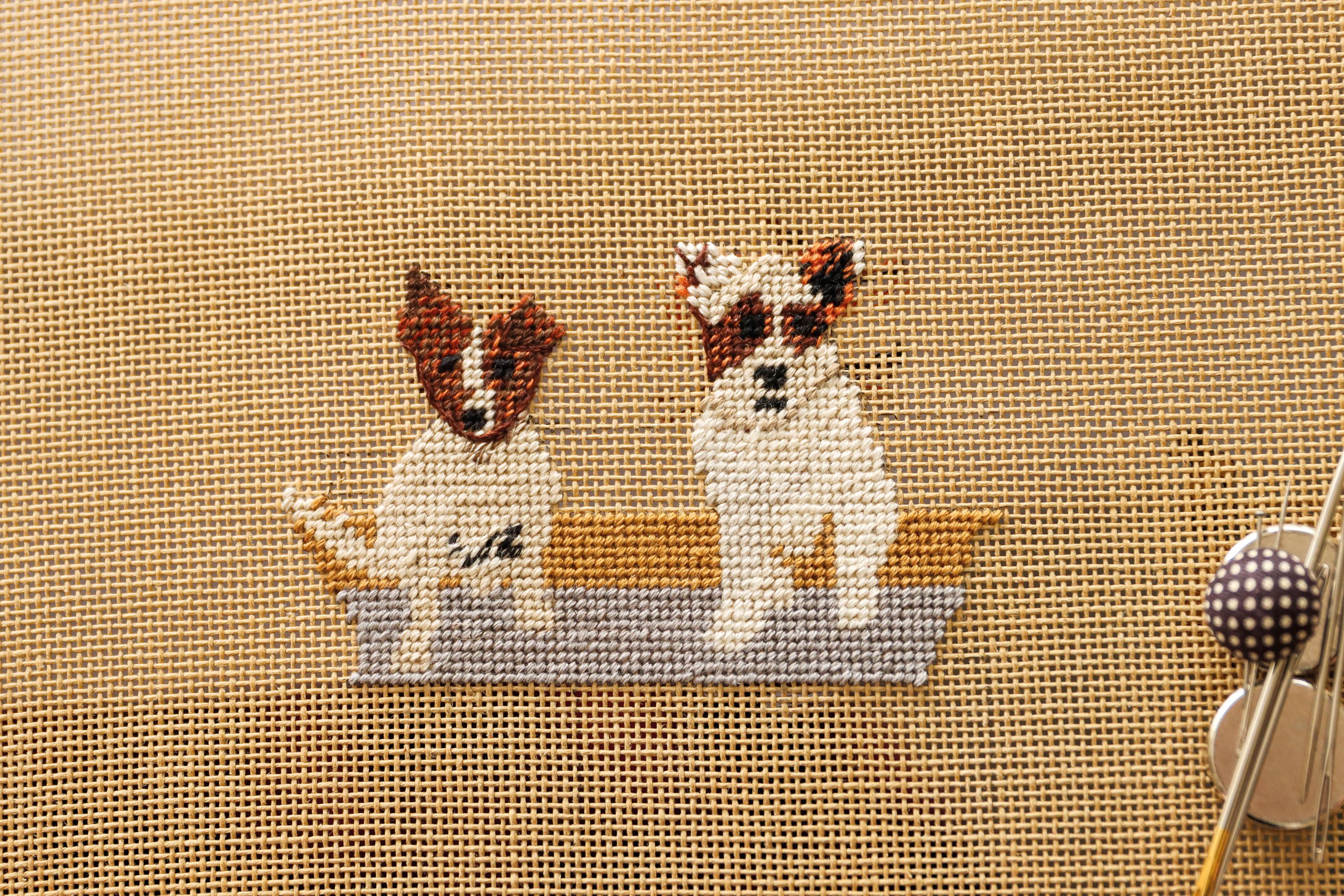
Member Events
Why a varied events programme is key to engaging with our diverse membership

Estates
Bringing colour into the Club
Dovecote back on its perch
The life and love of bees
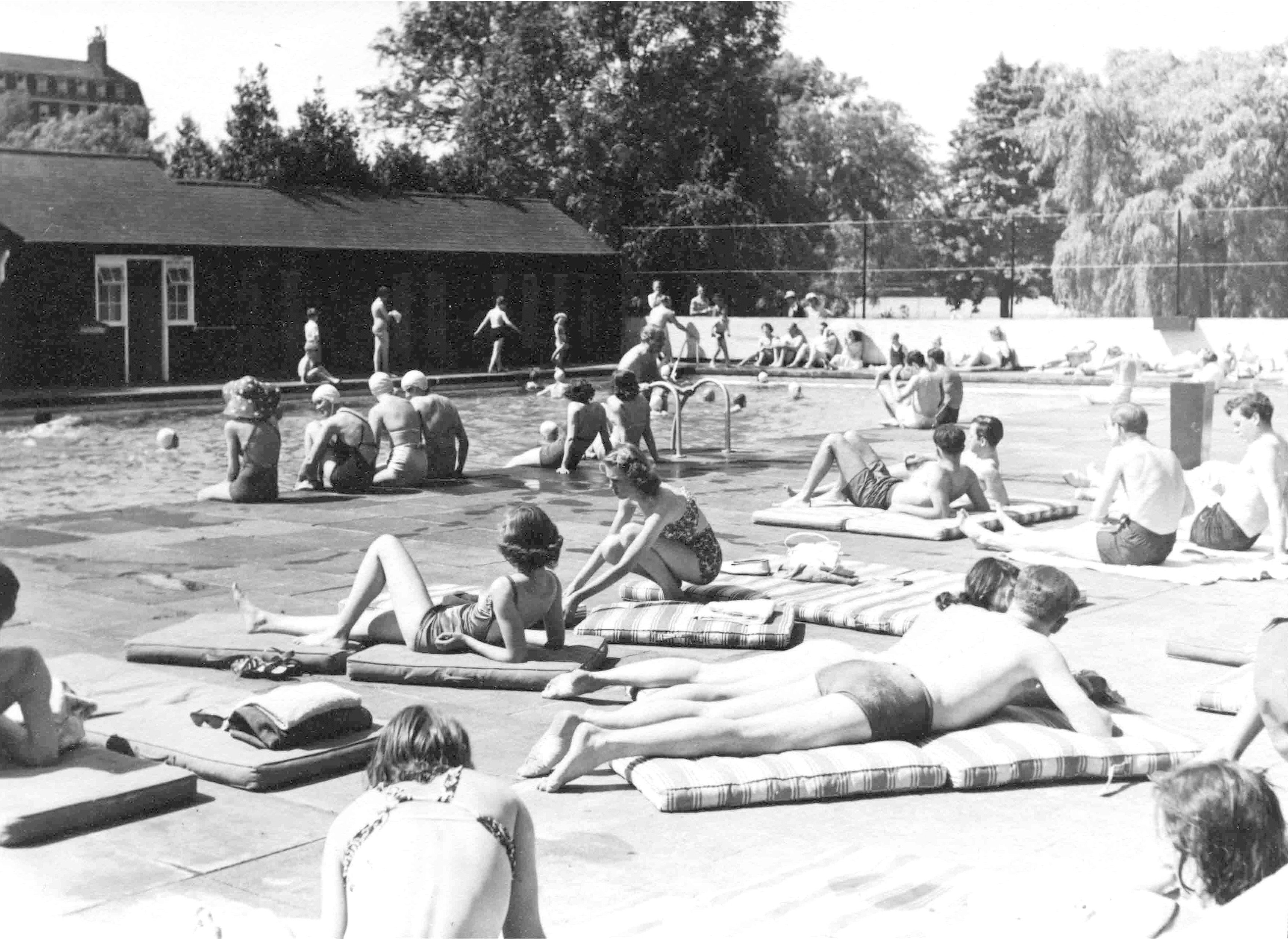
Heritage
Restoring the Club's treasures
Clare Button dives into the history of the Outdoor Pool
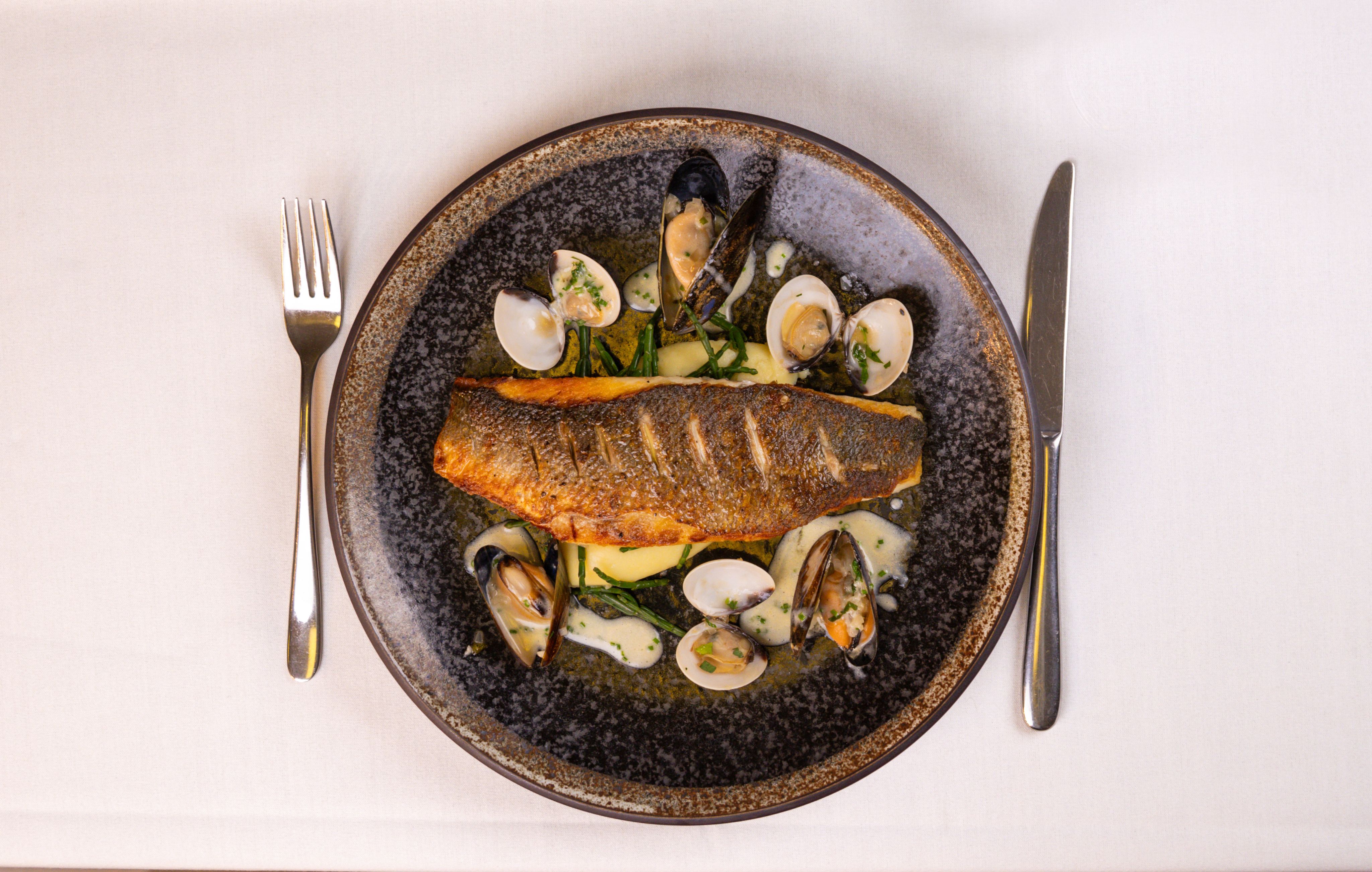
Food & Beverage
...until the July opening of Brasserie 1869
Our Club selection shifts to Southern France

Member Stories
Vodka Cocktails and Handrails
Jenny Montefiore looks back at polo ponies and royalty
We meet some of the Sports Team
Member suggestions for naming the new restaurant
Ellen Croneen reaches the halfway mark of her year of discovery.
Why Singapore and SW6 both offer a haven of tranquillity

 Built with Shorthand